Serving Home Gardeners and Small Farmers Since 2013
Hot Pepper Seeds
Capsicum annuum, unless otherwise noted
Growing tips:
Start pepper seeds indoors in seedling trays or small seedling pots with seed starting soil that has essential nutrients in it, 6-8 weeks prior to last frost.
Keep the soil moist for quick germination.
Make sure to keep the young pepper seedlings under good light to have strong plants with sturdy, healthy stems and leaves.
Transplant after last frost in well-drained, fertile soil enrichened with compost and other amendments.
Feed your pepper plants with liquid fertilizer once every two weeks.
Water regularly especially in flower stage. Mulch and always water at plant base to minimize disease.
Some pepper varieties are taller than others and may need to be tied to a stake so that fruits don’t touch soil and rot.
Mid-season Turkish hot pepper with high yield. Fruits are long and crunchy. Multi-purpose variety with excellent flavor. Very popular in Turkey. Very hot!
Staple hot pepper in Turkish home gardens and farmers’ markets. Prolific, long fruits are excellent for fresh eating and in salads. Great choice for market farmers. Our commercial introduction in the U.S.
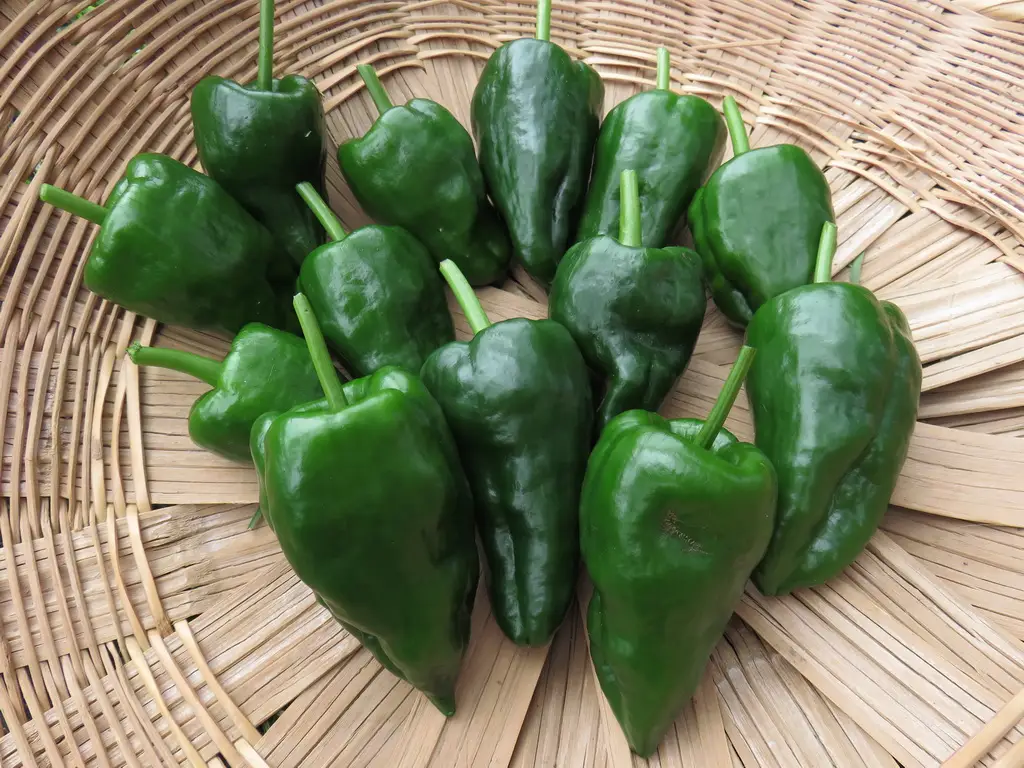
Called poblanos when fresh and green and used to make traditional Mexican dish of chile renello. Called anchos when ripe and used in mole and adobo. Mildly hot.
Take the flavor and high yield of Balık hot pepper and paint the fruits yellow color. Hot Yellow Balık is flavorful and great for frying or pickling. Our commercial introduction in the U.S.
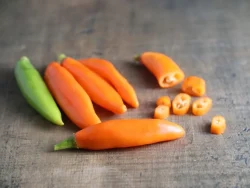
Orange version of the amazing Balik pepper. Fruits are very hot and have thin skin. Very productive. Needs to be picked regularly for the best flavor and texture.
Turkey’s one of staple hot peppers for pickling. A popular variety served at kebap and soup restaurants. Conical mildly hot fruits, very productive plants.
Traditional hot pepper of Southeast Turkey, particularly Urfa. Incredibly flavorful, traditionally used to make pepper flakes. Also delicious for stuffing.