Turkish Garden Seeds and More
Serving Home Gardeners and Small Farmers Since 2013
Turkish Garden Seeds and More
Serving Home Gardeners and Small Farmers Since 2013
Vegetable Seeds
Our seed catalog offers some of the most unique, flavorful and culturally significant vegetable seeds. Explore more than 150 varieties we offer in this category.
-

Acur Seeds (2)
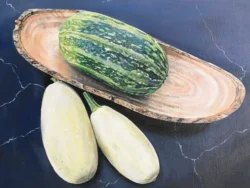
Cucumis melo Botanically a melon, acur is traditionally grown in Turkey for its firm, crunchy and cucumber-like fruits for fresh eating, pickling and preserving for winter use. While some varieties of acur produce long, white-ish fruits others offer shorter, plump fruits with various patterns and juice content. Other acronyms of acur in Turkey include kelek, hiti, hıtta and show variations depending on the region. -

Bean Seeds, Long (2)
Vigna unguiculata ssp. sesquipedalis Also known as asparagus bean and yard-long bean. Long bean is a delicacy, especially favored in West and Northwest Turkey. Typically grown for its fresh pods to make fresh salad and enjoyed in stir-fry recipes. -

Bean Seeds, Runner (1)
Phaseolus coccineus Runner beans are typically grown for their large seeds with buttery flavor. Plants are highly ornamental and have gorgeous flowers that show variation in color depending on the variety. -
Celeriac Seeds (1)
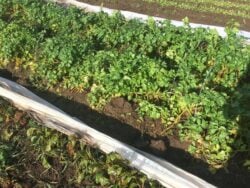
Apium graveolens var. rapaceumCeleriac is native to the Mediterranean region. Celeriac plant culture is same as celery’s plant culture. In one traditional Turkish recipe, sliced celeriac roots are cooked with carrots (sometimes potatoes as well) for a vegetarian, olive-oil based meal. Also compliments lamb in stews. -

Celtuce Seeds (1)
Lactuca sativa var. angustanaSometimes also called stem lettuce or Chinese lettuce, celtuce is lettuce relative that is mainly grown for its bolting thick, sweet stem and/or its sweet leaves. Delicious in salad or sliced and eaten fresh with a pinch of salt. -
Onion Seeds (2)
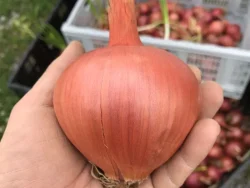
Allium cepa, Allium fistulosum Bulb onion seeds were domesticated in Central Asia, in the region where modern Turkey, Iran and Pakistan are today. Green onions, also known as scallion, were domesticated in Central and East Asia, particularly in China. Growing tips Need for sun: 12-15 hrs Planting depth: 1/4" Sprouts in 7-10 days Ideal Growing Temperature: 50-80F Plant Spacing: 4-6" Frost hardy: Yes for light frost Growth habit: Upward, compact growth Growing tips: Sow in seedling tray to transplant in compost-rich soil in early spring for a late summer harvest. Keep sowing every two weeks for successive harvests. Keep the planting area weed free to maximize bulb size and harvest yield. Water regularly especially during dry spells. Incorporate potassium into the growing area for better plant growth. In a mild climate, cold-hardy green onions can also be seeded in fall to be overwintered whereas in a cold climate, they can be seeded only in spring. -
Kale Seeds (2)
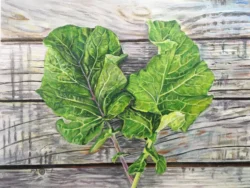
Brassica oleracea Originated in the Mediterranean Region and Anatolia, kale is a biennial plant that has purple and green leaves without a head as opposed to cabbage. Kale is a popular as a salad green and in other kitchen applications such as kale chips and to accompany meals as a side dish in the U.S. Growing tips: Needs 8-10 hrs of full sun Planting depth: 1/4" Sprouts in 5-7 days Ideal Growing Temperature: 45-85F Plant Spacing: 8" Frost hardy: Yes for light frost Growth habit: Leaves branch out from the stem Growing tips: Sow kale seeds in seedling tray to transplant in early spring for a late spring/summer harvest or in fall for for a late fall/early winter crop. Transplant to well-drained, fertile soil rich with Nitrogen. Water regularly. Watch for aphids especially when the temperatures rise and remove them with organic pest control methods. -
Greens (10)
-
Bean Seeds (30)
Phaseolus vulgaris Common beans are native to Central and South America, and have been stewarded by the Indigenous people of these places and North America for thousands of years. This crop has a past of a few hundred years in the agriculture system and culinary scene of Turkey. What we will offer in our catalog will be mostly the varieties that were bred by seed saver communities and villagers of Turkey throughout the time they have been cultivating beans, in addition to more modern beans with bush growth habit. Growing tips: Soak seeds in water overnight. Direct-seed after last frost. Use composted manure or Phosphorus-rich fertilizer to improve yield Water regularly. Trellis pole varieties. Pick frequently to encourage production. Re-seed every two weeks for prolonged harvest. -
Black-eyed Peas (2)
-
Garbanzo Seeds (1)
-
Collard Seeds (2)
Collard greens (Brassica oleracea var. viridis) are one of the easiest and most dependable leafy greens for home gardens and farms. They grow in both spring and fall, tolerate light frost, and keep producing big, tender leaves for weeks. Learn more in our How to Grow Collard Greens guide.Spring vs. Fall Collard Greens
Collard greens can be grown in two seasons, and each has its strengths. Spring Planting Transplant seedlings in early spring for a late spring and summer harvest. Watch for aphids as temperatures rise. Fall Planting Transplant seedlings in fall for a late fall and early winter crop. Collards tolerate light frost, and cool weather brings out their sweetest flavor.Collard Greens Seed Shipping Information
We ship collard greens seeds with USPS Ground Advantage. -
Corn Seeds (3)
-
Cucumber Seeds (6)
Cucumis sativus Native to Asia, cucumber is used in various ways from pickling to slicing to salads, including the traditional accompaniment of cacık which is made from cucumber, mint, yogurt and garlic in Turkey. -
Eggplant Seeds (12)
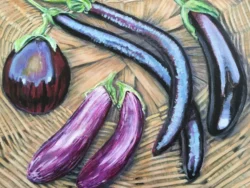
Solanum melongena Eggplant is native to India and Southeast Asia; and, it is a crop widely celebrated for so long in Turkey and the Mediterranean region. Turkish eggplant has a very diverse range of colors, shapes, textures and flavors. Eggplant is a staple food crop across Turkey. Growing tips: Solanum melongena Needs full sun Planting depth: 1/4" Sprouts in 10-14 days Ideal growing temperature: 75-95F Plant spacing: 18" Frost hardy: No Growth habit: Upright growth with short or long branches that grow away from the stem Growing tips: Start eggplant seeds indoors in seedling trays or small seedling pots with seed starting soil that has essential nutrients in it, 8-10 weeks prior to last frost. Keep the soil moist for quick germination. Make sure to keep the young eggplant seedlings under good light to have strong plants with sturdy, healthy stems and leaves. Transplant eggplant seedlings after last frost in well-drained, fertile soil enriched with compost. Feed your plants with liquid fertilizer once every two weeks. -
Gourd Seeds (1)
-
Ground Cherry Seeds (1)
-
Lettuce Seeds (22)
Lactuca sativa Wild relatives of lettuce are dated to 6,000 years ago in middle Asia, and the lettuce we eat today is known to have been domesticated in Egypt 4,500 years ago. Most lettuce varieties require cool temperatures to grow well. Succession planting helps for a continual harvest. Avoid growing in the heat of mid-summer unless the variety is noted to do well in heat. Plants can survive light frost and be grown in early winter, under row cover or cold frame. Growing tips: Sow lettuce seeds in seedling tray to transplant in early spring or fall for full size heads. Use Nitrogen-rich fertilizer for the best leaf growth. Water regularly. Keep sowing every two weeks for successive harvests. Most lettuce seeds except Batavian-type varieties can't germinate well in high temperatures. Although there are bolt-resistant varieties, spring and fall are the best seasons to grow lettuce for the best eating quality. -
Melon Seeds (10)
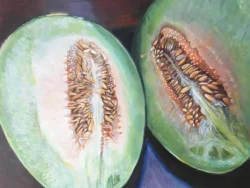
Cucumis melo Melon growing tips: Start melon seeds indoors in seedling trays or small seedling pots in seed starting soil that has essential nutrients in it 3-4 weeks prior to last frost. Cover the seeds with soil and keep the soil moist for quick germination. Make sure to keep the young seedlings under good light to have strong plants with sturdy, healthy stems and leaves. Transplant melon seedlings to garden or a pot with ample space for roots to spread after last frost in fertile soil. Feed with liquid fertilizer once every two weeks. Water regularly especially in flower stage. Reduce water when the fruits are maturing to improve flavor and sugar content. Mulch and always water at plant base to minimize disease. If the fruits are small, you can trellis melon plants to decrease disease pressure and improve air circulation. Melon thrives in hot and dry climate and does best in sandy soil with good drainage. Alternatively, to start melon seedlings, you can direct seed in ground after last frost. Note that it is possible for seeds to rot when they are direct-seeded if the soil is cool and moist before they can sprout so make sure the soil temperature is over 70F. -
Okra Seeds (5)
Abelmoschus esculentus Domesticated in East Africa and introduced to the U.S. by enslaved Africans, okra has widespread recognition throughout Asia. Okra is also an important culinary crop in Turkey, specifically in European Peninsula as well as West and Central Anatolia. -
Pea Seeds (5)
-
Pepper Seeds (41)
Peppers (Capsicum annuum) are one of the most rewarding crops for home gardens and farms, and growing them from seed opens up far more varieties than you'll find as nursery transplants. Start our pepper seeds indoors 8–10 weeks before your last frost for a summer and fall full of homegrown peppers. Learn more in our How to Grow Peppers guide.Sweet vs. Hot Peppers
Pepper varieties fall into two broad groups, and both grow the same way in the garden. Sweet Peppers Have little or no heat, with thick, crisp walls. They include bell peppers and other sweet types for fresh eating, salads, stuffing and roasting. Hot Peppers Range from mild warmth to intense heat. They're used for salsas, hot sauces, drying and spicing up any dish. Some hot pepper varieties grow tall and may need staking.Pepper Seed Shipping Information
We ship pepper seeds with USPS Ground Advantage. -
Summer Squash Seeds (7)
Cucurbita pepo, unless otherwise noted Summer squash is one of the earliest domesticated plants in Mexico and North America, domestication period dating back to over 10,000 years ago. Although it is relatively new to Türkiye and has only a history of 250 years, this fruit is widely used in many regional recipes across the country. Most summer squash varieties we offer in our catalog belong to Cucurbita pepo, but please note that some Cucurbita moschata (i.e. winter squash) varieties, such as Tromboncino, are grown like summer squash for their fresh fruits. Growing tips: Direct-seed summer squash seeds in compost-rich, fertile and well-drained soil after last frost in spring. Water regularly at flowering stage. Mulch at plant base to retain soil moisture during growth. Fertilize with a Phosphorus-rich liquid fertilize once a week in flowering stage. Watch for squash bugs and vine borers. Vining summer squash varieties require a lot of space to crawl. -
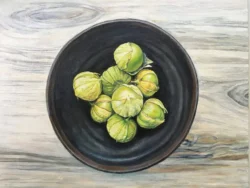
Tomatillo Seeds (1)
-
Tomato Seeds (63)
Tomatoes (Solanum lycopersicum) are the most popular crop in home gardens, and growing them from seed opens up far more varieties than you'll find as nursery transplants. Start our tomato seeds indoors 6–8 weeks before your last frost for a summer full of fresh, homegrown tomatoes. Learn more in our How to Grow Tomatoes guide.Determinate vs. Indeterminate Tomatoes
Tomato varieties fall into two main growth habits, and the right choice depends on your space and how you like to harvest. Determinate Tomatoes Grow to a set height, then ripen most of their fruit over a few weeks. Their compact size suits containers, small gardens, and gardeners who want a large harvest at once for canning or sauce. Indeterminate Tomatoes Keep growing and producing fruit all season until frost, sending out long vines that need a trellis, stakes or tall cages. They're the choice for a steady supply of fresh tomatoes from midsummer to fall.Tomato Seed Shipping Information
We ship tomato seeds with USPS Ground Advantage. -
Watermelon Seeds (12)
Citrullus lanatus. Native to Africa, watermelon has been cultivated in Turkey for many generations. This plant thrives in summer heat. Small fruited varieties are usually suited better for Northern climates where growing season is relatively shorter. We have the most unique watermelon catalog among all seed companies in the U.S. Growing tips: Start watermelon seeds indoors in seedling trays or small seedling pots in seed starting soil that has essential nutrients in it 3-4 weeks prior to last frost. Cover the seeds with soil and keep the soil moist for quick germination. Make sure to keep the young seedlings under good light to have strong plants with sturdy, healthy stems and leaves. Transplant watermelon seedlings to garden or a pot with ample space for roots to spread after last frost in fertile soil. Feed with liquid fertilizer once every two weeks. Water regularly especially in flower stage. Reduce water when the fruits are maturing to improve flavor and sugar content. Mulch and always water at plant base to minimize disease. If the fruits are small, you can trellis watermelon plants to decrease disease pressure and improve air circulation. Watermelon thrives in hot and humid climate and does best in sandy soil with good drainage. Alternatively, to start watermelon seedlings, you can direct seeds in ground after last frost. Note that it is possible for seeds to rot when they are direct-seeded if the soil is cool and moist before they can sprout so make sure the soil temperature is over 70F. -
Wheat Seeds (1)
-
Winter Squash Seeds (9)
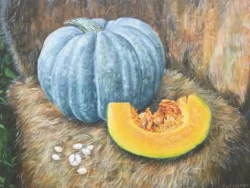
Cucurbita sp. (check for each variety's description for the species) Native to Central America and Mexico, winter squash was brought to North America by Indigenous people for whom, along with beans and corn, is an integral part of their agricultural system. After European colonization, fruits were taken to Europe and eventually other parts of the world, including Turkey, through trade routes. The term "winter squash" refers to when the fruits are eaten, not when the plants are grown. Growing Tips: Direct-seed the seeds in compost-rich, fertile and well-drained soil after last frost in spring. Water regularly at flowering stage. Mulch at plant base to retain soil moisture during growth. Watch for squash bugs and vine borers. Moschata varieties are usually more tolerant to squash vine borers, thanks to their hard, difficult-to-penetrate vines. Vining varieties require a lot of space to crawl. Winter squash thrives in warm weather.