Growing Garlic at a Glance
Growing garlic is easier than you would expect. You plant the cloves in fall for best results, let them stay in ground through winter, and harvest full, flavorful bulbs the following summer, plus a bonus crop of garlic scapes in late spring. This guide walks you through every step, from planting garlic cloves to curing and storing your harvest.
- When to plant: Fall, up to 4 weeks before the ground freezes
- Planting depth: 1–2 inches, pointed tip up
- Spacing: 6–8 inches apart
- Soil: Well-drained, rich in compost or organic matter
- Harvest time: Early to mid summer, when the bottom 3–4 leaves turn brown
- Storage life: 6–9 months in cool, dark, dry conditions
Hardneck vs. Softneck Garlic
There are two main types of garlic. Hardneck garlic grows a stiff central stalk, produces edible scapes, and is very cold-hardy, making it the best choice for northern gardens. Softneck garlic has soft, braidable stems, doesn’t produce scapes, and does well in milder climates. Shop our garlic bulbs
When to Plant Garlic
Plant garlic in fall, up to four weeks before the ground freezes. This gives the cloves time to grow roots before winter without much top growth. In much of the northern US, that means mid-October to mid-November.
How to Plant Garlic Cloves
- Break the bulbs into cloves shortly before planting. Leave the papery skin on each clove, and plant the biggest cloves, since large cloves typically grow large bulbs. Note that even if your cloves are smaller than ideal, if you have fertile soil with good drainage, you will still be able to harvest mid-to-large size bulbs.
- Plant pointed tip up, 1–2 inches deep.
- Space cloves 6–8 inches apart so each bulb has room to size up.
Best Soil for Growing Garlic
Garlic loves well-drained soil with plenty of compost or organic matter. Avoid low spots where water pools in winter, because soggy soil can rot the cloves.
Mulching Garlic for Winter
If you have hard winters, mulch heavily with straw or shredded leaves after planting. Mulch protects the cloves from freeze-thaw cycles, and in spring it holds in moisture and smothers weeds.
What Are Garlic Scapes (and When to Cut Them)?
Hardneck garlic sends up curly flower stalks called garlic scapes in late spring. Snap them off once they curl so the plant puts its energy into the bulb. Garlic scapes are delicious: pickle or ferment them, slice them fresh into salads, fold them into omelettes, or use them anywhere you’d use garlic.
When to Harvest Garlic
About 3–4 weeks after you snap the scapes, check the lower leaves. When the bottom 3–4 leaves have turned brown, your garlic is ready to harvest. Loosen the soil with a garden fork before pulling so you don’t bruise the bulbs or snap the stems.
How to Cure Garlic
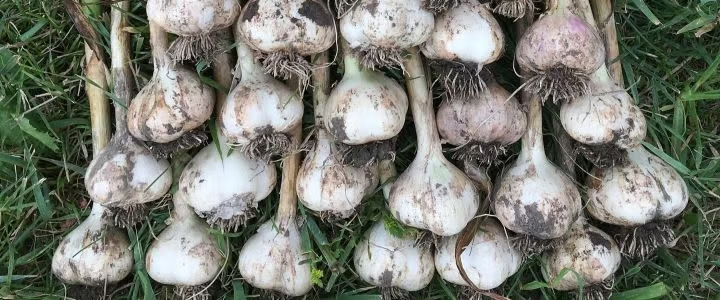
Let the harvested plants dry with the leaves still attached, in a shaded spot with good air circulation. You can also bundle them and hang them from a beam in a shed or barn. Curing usually takes 2–4 weeks. Once the stems are dry, cut them about two inches above the bulb and trim the roots.
How to Store Garlic
Store cured garlic in a cool, dark place with low humidity. Under ideal conditions, most of the garlic we sell stores incredibly well for 6–9 months. Save your largest, healthiest bulbs to plant again next fall.
Garlic Growing FAQ
Can you plant garlic in spring?
Yes, but spring-planted garlic usually produces smaller bulbs. Fall planting gives the best results.
Can I plant garlic from the grocery store?
It’s possible, but store garlic is often treated to prevent sprouting and may not suit your climate. Seed garlic grown for planting gives more reliable results.
How long does garlic take to grow?
About 8–9 months from fall planting to summer harvest.
Why didn’t my garlic form a bulb?
The most common causes are planting too late, cloves that were too small to begin with, crowded spacing, or poorly drained soil.
Do I need to water garlic?
Keep the soil evenly moist in spring while bulbs are forming, then stop watering a couple of weeks before harvest so the bulbs cure well.